How Content Marketing Works
Introduction
Content marketing has become one of the most effective digital marketing strategies for businesses of all sizes. Instead of directly promoting products or services, content marketing focuses on creating valuable, relevant, and engaging content that educates, informs, and solves the problems of potential customers. By consistently providing useful information, businesses can attract their target audience, build trust, and encourage long-term customer relationships. A successful content marketing strategy follows a structured process that guides customers from discovering a brand to becoming loyal advocates.
Understanding Your Target Audience
The first step in content marketing is identifying and understanding your target audience. Businesses need to know who their ideal customers are, what challenges they face, and what information they are searching for online. Conducting market research, analyzing customer behavior, and creating buyer personas help marketers understand their audience’s needs and preferences. When businesses produce content that directly addresses customer pain points, they are more likely to capture attention, build trust, and encourage engagement.
Setting Clear Content Marketing Goals
Every successful content marketing campaign begins with clear and measurable goals. Businesses may aim to increase website traffic, improve search engine rankings, generate qualified leads, build brand awareness, or boost sales. Having defined objectives ensures that every piece of content serves a specific purpose and contributes to overall business growth. Clear goals also make it easier to track performance and refine marketing strategies based on measurable results.
Conducting Keyword Research
Keyword research is an essential part of content marketing because it helps businesses understand what their audience is searching for on search engines. By identifying relevant keywords and incorporating them naturally into blog posts, articles, and web pages, businesses improve their chances of appearing in search engine results. Targeting both primary and long-tail keywords helps attract qualified visitors who are actively looking for information, products, or services related to the business.
Creating High-Quality and Valuable Content
Creating valuable content is the foundation of content marketing. High-quality content should educate, inform, entertain, or solve a problem for the audience rather than simply promote a product or service. Businesses can create various types of content, including blog articles, videos, social media posts, infographics, case studies, podcasts, e-books, and email newsletters. Well-written, original, and engaging content positions a brand as a trusted authority and encourages visitors to return for more information.
Optimizing Content for Search Engines (SEO)
Creating excellent content is only part of the process. To ensure that content reaches the right audience, it must be optimized for search engines. Search Engine Optimization (SEO) involves using relevant keywords, optimizing headings and meta descriptions, adding internal and external links, compressing images, and improving website performance. SEO increases the visibility of content in search engine results, helping businesses attract more organic traffic and potential customers without relying solely on paid advertising.
Publishing Content Across Multiple Platforms
Once the content is ready, businesses need to publish it on platforms where their audience is most active. This may include the company website, blog, LinkedIn, Facebook, Instagram, YouTube, or email newsletters. Publishing consistently helps businesses maintain audience engagement and build a strong online presence. A well-planned content calendar ensures regular posting and keeps the marketing strategy organized throughout the year.
Promoting Your Content
Publishing content alone is not enough to achieve maximum results. Businesses should actively promote their content through social media marketing, email campaigns, influencer collaborations, online communities, and paid advertising when necessary. Content promotion increases visibility, reaches new audiences, and encourages users to visit the website. Repurposing blog posts into videos, infographics, or social media posts also extends the reach and lifespan of valuable content.
Engaging with Your Audience
Content marketing is not just about publishing information—it is also about building relationships with your audience. Businesses should respond to comments, answer questions, participate in discussions, and encourage customer feedback. Active engagement demonstrates that a brand values its customers and is willing to help them. Strong audience interaction builds trust, strengthens customer loyalty, and encourages users to share content with others, increasing brand awareness organically.
Converting Visitors into Customers
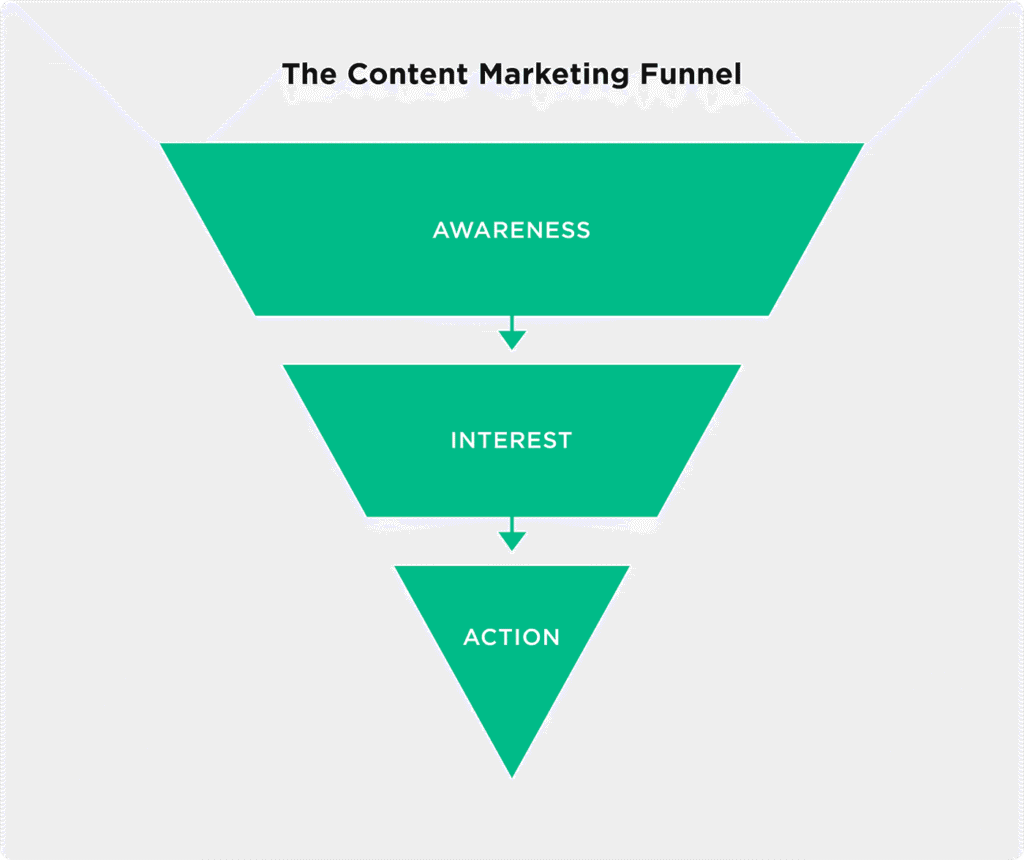
The primary goal of content marketing is to convert website visitors into customers. This is achieved by including clear and compelling calls-to-action (CTAs) throughout the content. Businesses can encourage readers to subscribe to newsletters, download free resources, request consultations, book demonstrations, or purchase products. Effective CTAs guide users through the customer journey and help transform interest into meaningful business opportunities.
Measuring Content Performance
Tracking performance is essential for improving content marketing results. Businesses should regularly monitor key metrics such as website traffic, keyword rankings, page views, bounce rate, engagement, lead generation, and conversion rates using tools like Google Analytics and Google Search Console. These insights help marketers identify successful content, understand audience behavior, and make data-driven decisions that improve future campaigns.
Updating and Improving Content
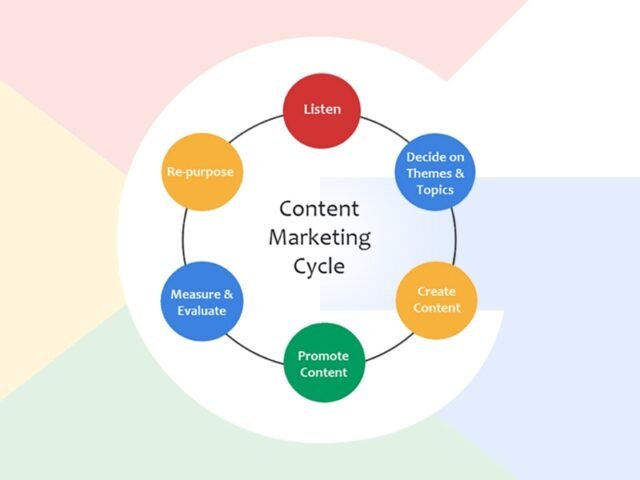
Content marketing is a continuous process rather than a one-time activity. Search trends, customer preferences, and industry information change over time, making it important to update existing content regularly. Refreshing statistics, adding new information, improving SEO, and enhancing readability help maintain high search rankings and provide ongoing value to readers. Regular updates also signal to search engines that the content is current and relevant.
Conclusion
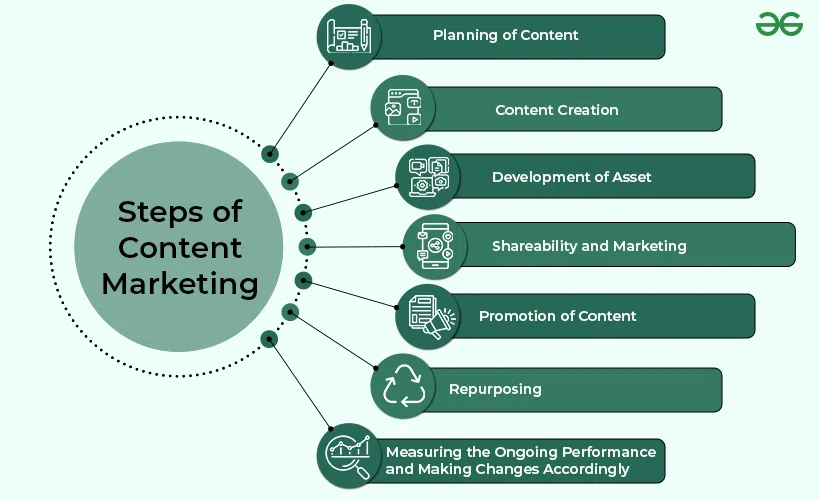
Content marketing works by attracting the right audience with valuable, informative, and engaging content that addresses their needs and interests. From understanding customer behavior and conducting keyword research to creating optimized content, promoting it across multiple channels, and measuring performance, every step plays a vital role in achieving long-term success. Businesses that consistently deliver high-quality content not only improve their online visibility but also build trust, strengthen customer relationships, generate qualified leads, and drive sustainable business growth. In today’s competitive digital landscape, content marketing is more than just a marketing tactic—it is a long-term strategy for establishing authority, increasing brand awareness, and achieving lasting success.