Critical Challenges and Strategic Fixes for Digital Marketers
Meta Advertising (Facebook and Instagram) remains one of the most powerful performance marketing engines in the digital ecosystem. With billions of active users, granular behavioral signals, and machine-learning campaign automation like Advantage+, Meta offers unparalleled reach.
However, running profitable Meta ad campaigns today is significantly harder than it was a few years ago. Between privacy policy shifts, rising ad costs, and algorithm changes, brands and media buyers face an increasingly complex landscape. Understanding these core challenges—and implementing data-backed solutions—is essential to protecting your marketing spend and maximizing Return on Ad Spend (ROAS).
Below is an in-depth analysis of the primary challenges in modern Meta advertising, alongside actionable strategies to overcome them.
1. Tracking and Signal Loss (Post-iOS 14 & Cookie Deprecation)
The Challenge

Ever since Apple introduced App Tracking Transparency (ATT) in iOS 14.5, Meta lost access to a vast portion of off-platform user activity. The traditional Meta Pixel alone can no longer accurately track full-funnel user journeys, attribute sales precisely, or feed clean conversion data back to Meta’s machine-learning models. This signal loss leads to underreported conversions, inflated Cost Per Acquisition (CPA), and less effective algorithm targeting.
The Solution
-
Conversions API (CAPI) Integration: Implement server-to-server tracking alongside the standard browser Pixel. CAPI sends web events directly from your server to Meta, bypassing ad blockers and browser privacy restrictions.
-
First-Party Data Strategy: Shift focus toward collecting zero-party and first-party data (e.g., email captures, phone numbers, quiz inputs) to build robust Custom Audiences and match rates.
-
Blended ROAS & Multi-Touch Attribution: Rely less on Meta Ads Manager’s in-platform attribution alone. Use blended ROAS metrics (Total Revenue ÷ Total Ad Spend) and third-party attribution platforms (such as Triple Whale or Northbeam) to evaluate holistic performance.
2. Skyrocketing Customer Acquisition Costs (CAC) & CPMs
The Challenge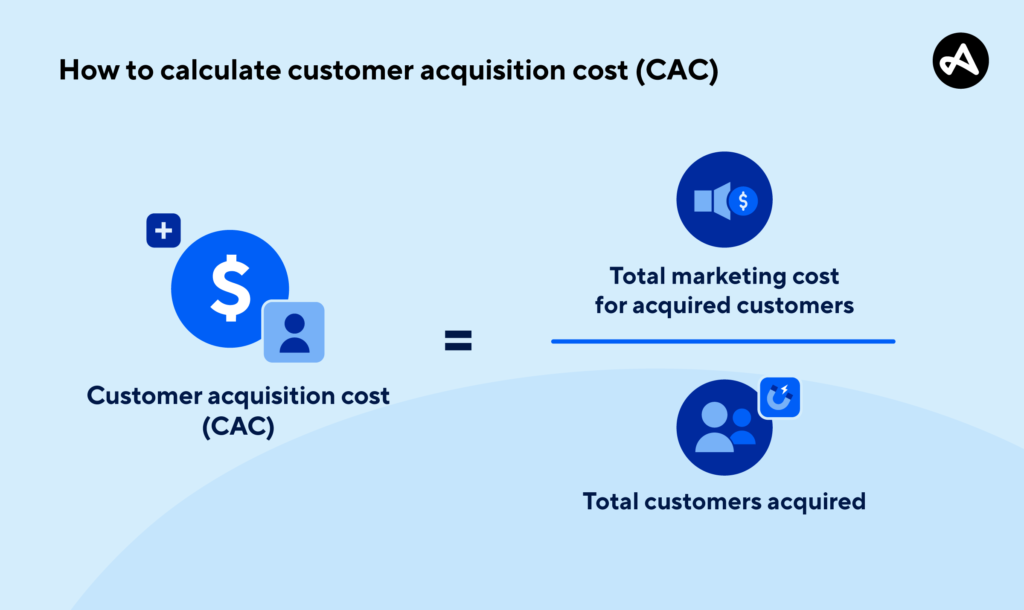
As more brands migrate ad spend to Facebook and Instagram, ad inventory competition intensifies. Rising Cost Per Mille (CPM / cost per thousand impressions) directly inflates Cost Per Click (CPC) and acquisition costs. Advertisers can no longer rely on cheap impressions or simple bid strategies to secure profitable margins.
The Solution
-
Focus on Customer Lifetime Value (LTV): Offset high top-of-funnel acquisition costs by building strong backend retention (email/SMS marketing, subscription models, upsells, and cross-sells).
-
Diversify Campaign Objectives: Test lead-generation forms, WhatsApp messaging ads, or shop integrations (Meta Shops) to capture conversions directly within the platform, where CPMs are often lower than external destination campaigns.
-
Offer Optimization: A weak offer will fail regardless of ad quality. Test bundled deals, free gifts with purchase, or limited-time incentives to increase Average Order Value (AOV) and conversion rates.
3. Rapid Ad Fatigue and Creative Saturation
The Challenge
Due to high daily ad spends and Meta’s fast delivery system, audiences see the same ad creatives repeatedly. When ad frequency climbs above 3–4 within a short window, click-through rates (CTR) plummet while costs surge—a phenomenon known as Ad Fatigue. Modern audiences also scroll past overly “polished” or traditional corporate banner ads.
The Solution
-
High-Volume Creative Pipeline: Treat creative as your new targeting tool. Maintain a testing library featuring varied creative formats—User-Generated Content (UGC), short-form Reels, founder-led videos, static carousel cards, and direct text-overlay images.
-
Hook Variation: Keep winning visual angles but continuously test new opening hooks (the first 3 seconds of a video or the first sentence of primary text).
-
Dynamic Creative Ads (DCA): Use Meta’s Dynamic Creative features to automatically mix and match multiple images, videos, primary texts, and headlines to delay creative fatigue.
4. Algorithmic Shift: The Rise and Complexity of Advantage+
The Challenge
Meta has shifted away from narrow, manual interest-based targeting toward AI-driven automation via Advantage+ Shopping Campaigns (ASC) and Advantage+ Audience targeting. While automation reduces manual campaign maintenance, media buyers often struggle with losing control over placement, budgeting, and detailed targeting. Over-constraining Advantage+ campaigns with micro-targeting often harms performance rather than helping it.
Meta Targeting Evolution
| Feature | Legacy Approach (Manual) | Modern Approach (Advantage+ AI) |
| Targeting | Niche interest stacks, narrow lookalikes | Broad targeting; algorithm finds buyers via creative signals |
| Optimizations | Frequent manual bid/budget adjustments | Consolidated structures giving AI room to learn |
| Creative Role | Secondary to audience setup | Primary driver of targeting and relevance |
The Solution
-
Embrace Broad Targeting: Allow Advantage+ algorithms to target broad demographics without piling on detailed interest filters. Let your creative copy and message do the filtering.
-
Consolidate Account Structures: Avoid splitting budgets across dozens of micro-segmented ad sets. Account consolidation helps Meta exit the “Learning Phase” faster and stabilize performance.
5. Strict Ad Policies and Random Account Restrictions
The Challenge
Meta relies heavily on automated AI systems to review ad creatives, landing pages, and account health. Consequently, compliance enforcement can be harsh and unpredictable. Legitimate businesses frequently suffer from sudden ad rejections, restricted Business Managers, or disabled ad accounts due to false-positive policy flags.
Common Policy Hazards
-
Making non-compliant health, financial, or personal claims (e.g., “Before & After” images, absolute guarantees).
-
Using overly aggressive or sensationalized copy targeting personal attributes (“Are you struggling with debt?”).
-
Inconsistencies between ad claims and destination landing pages.
The Solution
-
Proactive Compliance Checks: Audit ad copy against Meta’s Advertising Standards prior to launch. Avoid triggering language like direct “you/your” accusations or dramatic claims.
-
Maintain Backup Assets: Establish backup Business Managers, verified domain authentications, and alternate payment methods to prevent operational downtime if an account is flagged.
-
Warm-up New Accounts: When launching new ad accounts, start with conservative spend budgets ($10–$20/day) on low-risk campaigns to build billing trust with Meta’s automated security systems.
Strategic Checklist for Meta Ad Success
To navigate these challenges successfully, maintain a disciplined campaign management framework:
-
Technical Foundation: Set up Conversions API (CAPI) with a minimum 80%+ Event Match Quality score.
-
Creative Testing: Launch 3–5 new creative concepts weekly across varied formats (UGC, static, short video).
-
Structure & Scaling: Consolidate ad sets, utilize broad or Advantage+ targeting, and scale budgets incrementally (10–20% every 48 hours) to keep the algorithm stable.
-
Post-Click Experience: Ensure mobile page speed loads under 2 seconds and landing page copy matches the exact offer promised in the ad.