Modern SEO in 2026: Mastering Search Experience, AI, and Intent
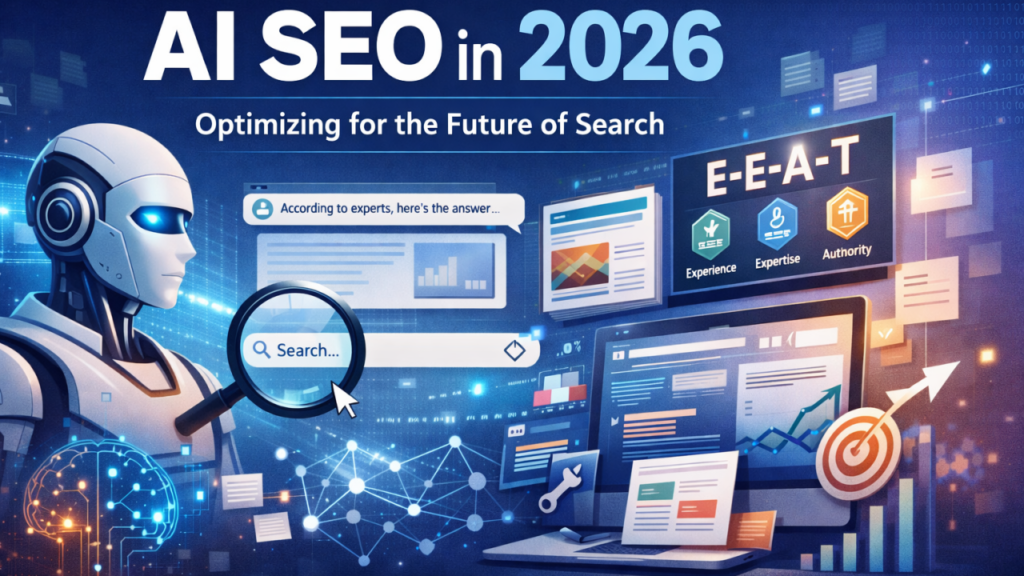
Search Engine Optimization (SEO) is no longer just about matching keywords or collecting backlinks. In 2026, SEO centers on Search Experience Optimization. As AI-driven answers, zero-click searches, and conversational queries dominate search engine results pages (SERPs), visibility requires a deep understanding of user intent, authoritative content, and seamless digital performance.
Whether you run an e-commerce platform, a local business, or a digital publication, optimizing for search engines is essential for sustainable online growth. This article provides a comprehensive overview of modern SEO, breaking down its three main pillars, crucial content strategies, and actionable best practices to boost your rankings.
The Three Core Pillars of SEO
Successful SEO relies on a balanced strategy built across three primary areas: Technical SEO, On-Page SEO, and Off-Page SEO. Skipping any one of these pillars weakens your site’s foundation.
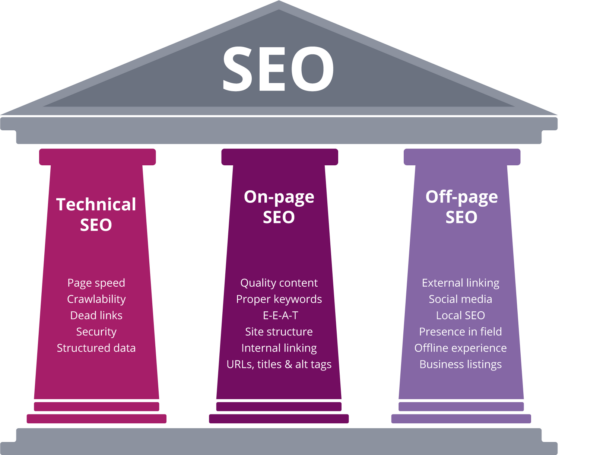
1. Technical SEO: Building a Strong Foundation
Before search engines can rank your content, they must be able to discover, crawl, and index it efficiently. Technical SEO ensures your website meets the technical standards required by modern search engines.
-
Crawlability and Indexability: Use a clean XML sitemap and a well-configured
robots.txtfile to guide search bots toward your most valuable pages. -
Site Architecture and Structure: Keep your URL structure logical and flat. Important pages should be reachable within 3 to 4 clicks from the homepage.
-
Page Speed and Core Web Vitals: Loading speed directly impacts conversion rates and search rankings. Optimize performance metrics like Largest Contentful Paint (LCP) and Cumulative Layout Shift (CLS) through caching, image compression, and code minification.
-
Structured Data (Schema Markup): Schema markup gives search engines clear context about your content—whether it is a product, recipe, article, or local business—enabling enhanced SERP features like rich snippets.
2. On-Page SEO: Delivering Value and Context
On-page SEO focuses on optimizing the actual content and HTML source code of individual web pages.
-
Satisfying Search Intent: Search engines prioritize pages that directly address what a user is looking for. Align your content with the underlying intent—whether informational, navigational, commercial, or transactional.
-
Title Tags and Meta Descriptions: Craft compelling, keyword-relevant title tags (under 60 characters) and meta descriptions (under 155 characters) to maximize your click-through rate (CTR).
-
Header Hierarchy (H1, H2, H3): Structure your content with clear header tags. This helps both human readers and search engines navigate and digest your ideas quickly.
-
Semantic Keyword Integration: Avoid keyword stuffing. Instead, focus on semantically related terms and natural topical coverage that thoroughly explores the subject.
3. Off-Page SEO: Establishing Authority and Trust
Off-page SEO involves actions taken outside your own website to impact your rankings within search engine results pages.
-
High-Quality Backlinks: Earn links naturally from authoritative, topically relevant websites. A single link from a respected publication carries more weight than dozens of low-quality directory links.
-
Digital PR and Brand Mentions: Coverage in industry publications, podcast appearances, and active brand presence signal credibility to search engines.
-
Social Signals and Content Amplification: While direct social shares are not a direct ranking factor, social distribution drives traffic, sparks engagement, and increases the likelihood of gaining backlinks.
E-E-A-T and Content Quality Guidelines
Search algorithms place heavy emphasis on Google’s E-E-A-T framework: Experience, Expertise, Authoritativeness, and Trustworthiness. To build lasting organic visibility, your content strategy must reflect these four criteria:
| E-E-A-T Element | What Search Engines Look For | How to Demonstrate It |
| Experience | First-hand, practical involvement with the topic. | Include personal anecdotes, original photos, or case study findings. |
| Expertise | Formal knowledge, credentials, or deep technical background. | Display author bios, formal credentials, and expert quotes. |
| Authoritativeness | Being recognized as a go-to source in your industry. | Earn niche citations, press mentions, and backlinks from trusted domain names. |
| Trustworthiness | Accuracy, transparency, and site security. | Maintain clear contact info, HTTPS security, accurate references, and unbiased advice. |
Step-by-Step SEO Workflow for New Articles
To consistently publish content that ranks, follow this four-phase operational workflow:
-
Keyword and Intent Research
-
Identify primary keywords with clear search volume and realistic competition.
-
Analyze the top 5 ranking results to determine content length, format, and common subtopics.
-
-
Content Outline and Drafting
-
Create an outline addressing primary user questions.
-
Incorporate relevant visual media (diagrams, images with descriptive alt text) to break up dense text.
-
-
On-Page Optimization Check
-
Place your primary keyword in the URL, H1 title, intro paragraph, and subheadings naturally.
-
Add internal links to existing related pages on your domain to distribute link equity.
-
-
Publishing and Post-Launch Promotion
-
Submit the new URL for indexing via Google Search Console.
-
Distribute the piece across social media platforms, email newsletters, and industry communities to drive early traffic.
-
Common SEO Mistakes to Avoid
-
Chasing Vanity Keywords: Targeting massive search volumes without considering search intent or commercial value leads to high bounce rates and poor conversion.
-
Ignoring Mobile Usability: Over half of all global search traffic originates from mobile devices. Non-responsive designs will severely impact search rankings.
-
Neglecting Existing Content: SEO is an ongoing maintenance process. Regularly auditing, updating, and refreshing older articles yields faster traffic growth than continuously publishing new ones.
-
Over-reliance on Automated Content: While AI tools help accelerate outline generation and ideation, publishing unvetted, mass-produced content without human expertise risks penalties under spam policies.
Measuring SEO Success
Tracking the right metrics keeps your optimization strategy grounded in real business value. Focus on these primary Key Performance Indicators (KPIs):
-
Organic Traffic: Total volume of visitors arriving via search engine results.
-
Keyword Position Tracking: Monitoring changes in ranking positions for high-priority primary keywords over time.
-
Click-Through Rate (CTR): The ratio of searchers who click your result after seeing it in search results.
-
Organic Conversions: Leads, sign-ups, or revenue directly attributed to organic search traffic.
-
Domain Authority and Backlink Profile: Overall health and authority growth of your linking domain network.
Search Engine Optimization remains one of the most cost-effective, sustainable drivers of traffic and brand growth online. By focusing on technical reliability, delivering content rooted in real experience, and consistently serving user intent, you position your website to perform predictably across search engines.